Lysol: the Bad, the Ugly, and Better Alternatives
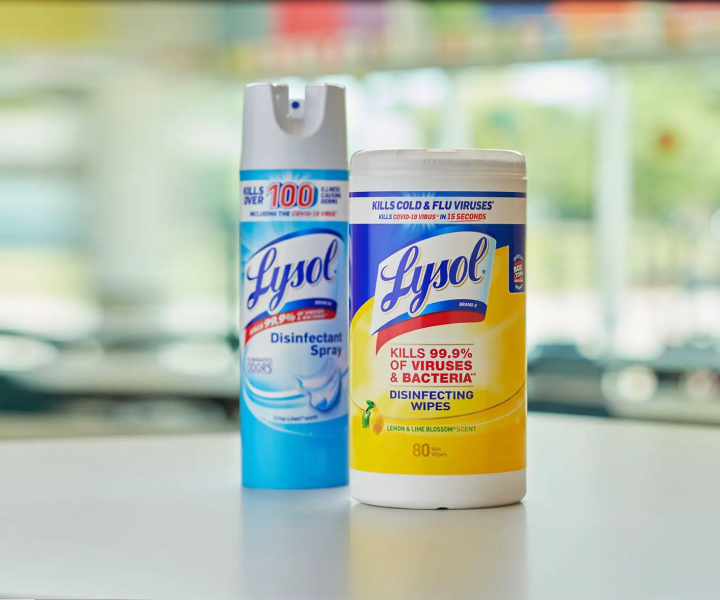
If you grew up in a household where the smell of Lysol meant “Mom cleaned,” this one’s for you. While the brand has positioned itself as the superhero of germ destruction, it turns out that, well it’s… kind of toxic.
And not in the cute “I’m bad at texting back” way — more in the “will irritate your lungs and disrupt your hormones” way.
Let’s unpack why Lysol is a no-no for nontoxic living, what its ingredients can do to the body, and why trying to kill every last germ isn’t doing your immune system any favors.
Problem #1: The Ingredients (AKA: The Real Villains)
Below is a simple breakdown of the primary problematic ingredients in Lysol disinfectant sprays and wipes — and exactly how they can impact your body.
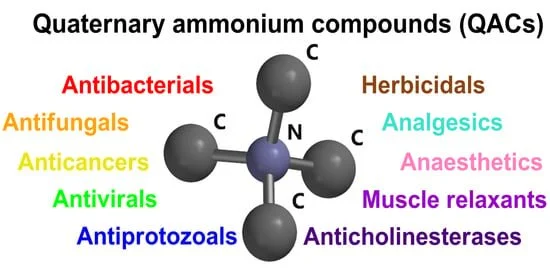
1. Quaternary Ammonium Compounds (“Quats”)
Examples: Alkyl dimethyl benzyl ammonium chloride, benzalkonium chloride
Why they’re used: They’re powerful disinfectants that annihilate germs on contact.
Why they’re a problem:
Quats are known respiratory irritants and are strongly associated with asthma, wheezing, chronic cough, and shortness of breath.
Repeated exposure can disrupt the skin barrier, causing dermatitis and rashes.
They’re linked to fertility issues, reproductive toxicity, and inflammation in animal studies.
They may also contribute to antibiotic-resistant bacteria, which is the opposite of what we want.
Basically, quats are overachievers… in the wrong direction. Womp… womp.
2. Ethanol / Denatured Alcohol (with Toxic Additives)
Why they’re used: Fast-acting disinfectant that evaporates quickly.
Why they’re a problem:
When sprayed into the air as an aerosol, ethanol becomes a respiratory irritant.
The “denaturing agents” added (to prevent drinking it) often include toxic solvents.
These solvents are associated with headaches, dizziness, nausea, and central nervous system irritation.
They easily worsen symptoms in anyone with asthma or allergies.
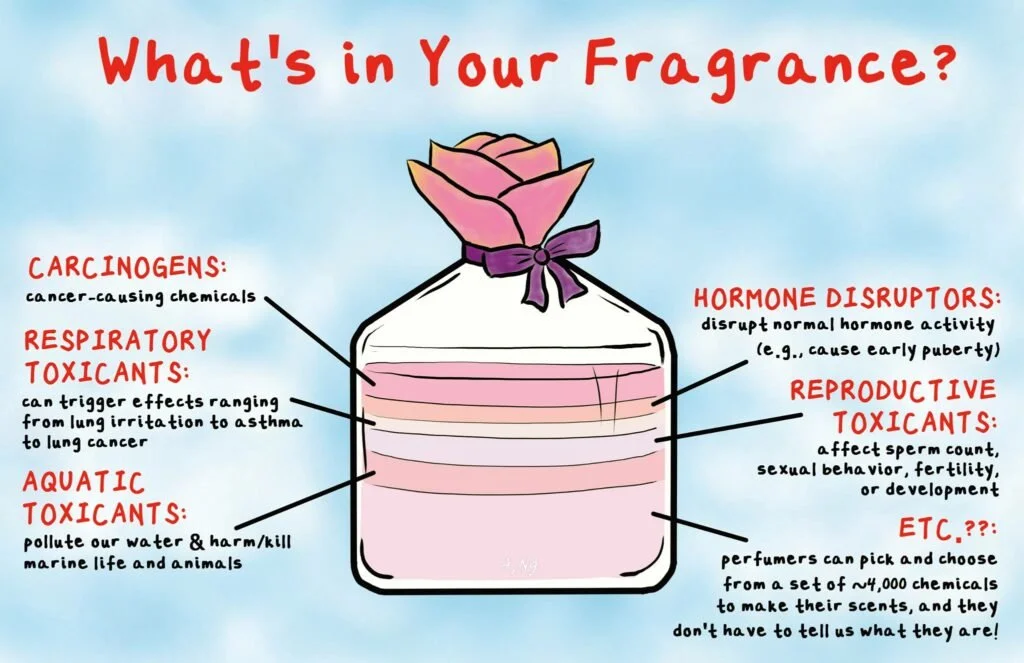
3. Fragrance (AKA: “The Mystery Ingredient”)
Why they’re used: To make “chemical lemon meadow” smell like actual lemon.
Why they’re a problem:
The word “fragrance” can represent hundreds of hidden chemicals — many of which are known hormone disruptors (like phthalates).
Fragrances are the top trigger for migraines, asthma attacks, allergic reactions, and respiratory irritation.
Many fragrance ingredients are classified as sensitizers, meaning the more you breathe them over time, the more your body sees them as a threat.
4. Aerosol Propellants (Butane, Propane, Isobutane)
Why they’re used: They make the spray “pffft” instead of “splat.”
Why they’re a problem:
When inhaled, propellants can irritate the lungs, throat, and sinuses.
They are linked to asthma, chronic inflammation, and chemical sensitivities.
These gasses make it easier for the disinfectant itself to bypass your nose’s natural filters and head straight into the lungs.
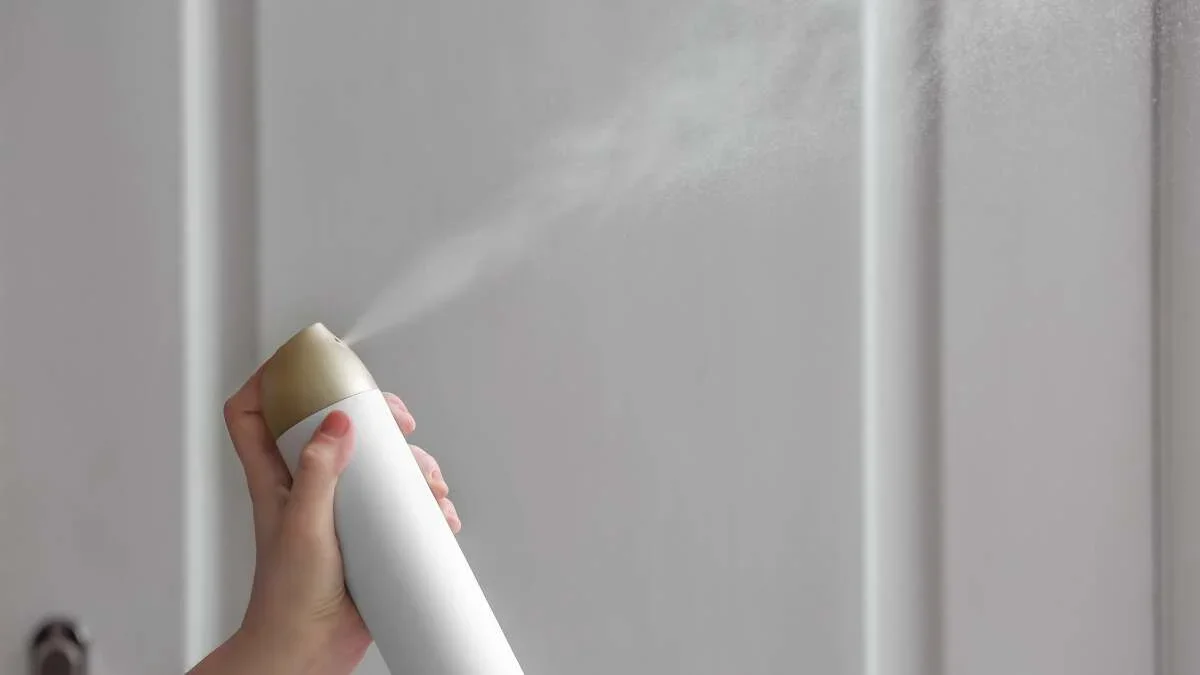
Aerosols are basically the “express delivery” system for chemicals — directly to your respiratory system. More on aerosols in future blogs.
Problem #2: Lysol Is Rough on Your Lungs (Like… Really Rough)
Lysol’s combination of quats, solvents, and fragrance creates a perfect storm of indoor air pollution, especially when sprayed in small spaces like bathrooms, bedrooms, or (yikes) near kids and pets.
Here’s what happens when you breathe it in:
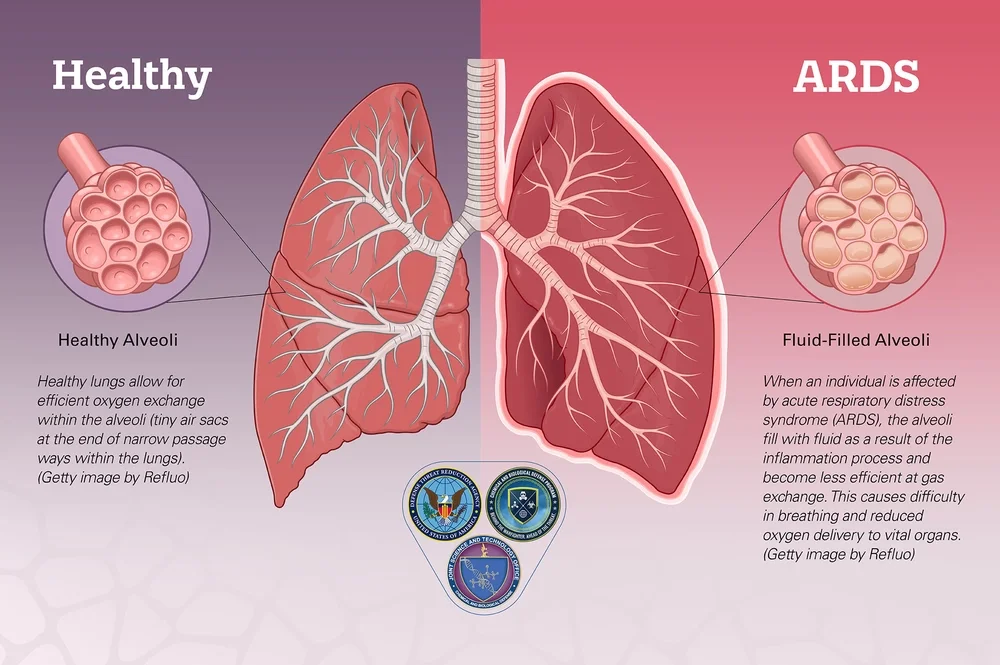
The fine aerosol particles bypass the nose and deposit directly into the lungs.
Quats and solvents can inflame lung tissue.
This inflammation can trigger or worsen:
asthma
chronic cough
airway hyper-reactivity
shortness of breath
increased mucus production
Repeated exposure contributes to long-term immune dysregulation within the respiratory system.
Studies have found that aerosol cleaners (especially ones with quats + fragrance):
Increase the rate of adult-onset asthma
Exacerbate existing asthma and COPD
Increase upper respiratory symptoms like burning, itching, and throat tightness
Are associated with declined lung function over time
The scariest part? Studies show these effects in regular home “cleaners”, not just professional cleaners.
Problem #3: Killing All Germs Is NOT Helping Your Immune System
This part surprises a lot of people.
While disinfecting hospitals, surgery rooms, or contaminated surfaces makes total sense, going nuclear on germs in your home 24/7 does not create a healthier environment — it creates a reactive immune system.
Here’s why:
Your immune system needs microbial exposure to learn what’s safe and what’s a threat.
When you constantly wipe out all bacteria:
The immune system becomes under-challenged
It becomes more likely to overreact to harmless things
You increase risk of allergies, eczema, and asthma
Beneficial bacteria on surfaces (that naturally compete with harmful ones) are eliminated too.
Think of the immune system like a toddler — it needs exposure, exploration, and a normal variety of germs to grow up well-adjusted. Living in a Lysol-drenched home is like forcing that toddler to live in a bubble. (Hint: they don’t thrive.)
Problem #4: Lysol Disrupts the Indoor Microbiome
Your home has a microbiome too — and wiping out everything can create a microbial imbalance similar to what happens in the gut.
This can lead to:
More mold growth (yes, seriously)
More opportunistic bacteria
More chemical accumulation
Less natural resilience against pathogens
Basically, your home loses its natural “ecosystem balance,” and Lysol becomes the sheriff of a ghost town. A home bombed by disinfectant is not actually a healthy home or one that will keep your body healthful.
Nontoxic Alternatives (That Actually Work)
Good news: you don’t need Lysol to have a clean home.
Here are safer, effective, nontoxic options:
1. Force of Nature Cleaner
Hospital-grade disinfectant
Uses hypochlorous acid (non-toxic to humans, super effective on germs)
No fragrance, no quats, no aerosol
Safe for babies, pets, and anyone with breathing issues
2. Branch Basics
Plant-based, multisurface cleaner
No fragrance, SLS, quats, or toxins
Amazing for regular cleaning (use Force of Nature only when true disinfecting is needed)
3. Thieves Cleaner (Young Living) or OnGuard Cleaner (dōTERRA)
Uses essential oils with antimicrobial properties
Works for general cleaning (not hospital-level disinfecting)
Smells ‘clean’ without synthetic fragrance
(Note: essential oils can still be irritating for sensitive people, especially those with a history of asthma — so test first.)
4. Hydrogen Peroxide (3%)
Surprisingly powerful natural disinfectant
Great for bathrooms, sinks, and cutting boards
No harmful fumes (just don’t mix with vinegar)
5. Vinegar + Water
Great everyday cleaner
Naturally antibacterial (not strong enough for major disinfecting, but perfect for normal household use)
The Bottom Line
Lysol gives off big “I’ll keep you safe!” energy, but behind the branding is a cocktail of chemicals that can irritate your lungs, disrupt your hormones, inflame your immune system, and harm the indoor microbiome that helps protect your home naturally.
You don’t need to fear germs — your immune system is actually happier with normal, everyday exposure. And when you do need to disinfect, there are cleaner, safer options that won’t leave your lungs (or your hormones) waving a white flag.