Life After Gallbladder Removal: How to Support Your Body Naturally + Thrive
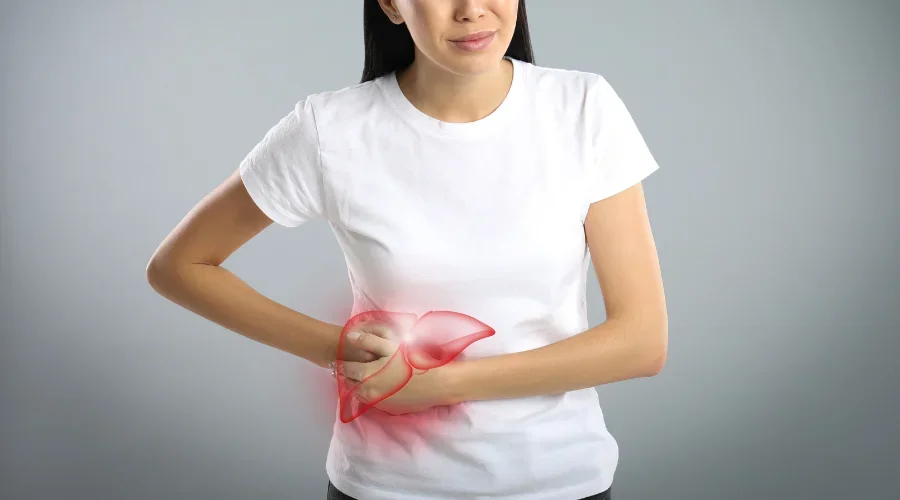
Let’s be honest — at Nontoxic Babe, we’re big fans of keeping all the original parts whenever humanly possible. The gallbladder is an important organ with a real job, and ideally, we want to support the body long before surgery ever becomes an option.
But sometimes life throws curveballs. Symptoms escalate, you’re not given alternatives, or you’re in so much discomfort that surgery feels like the only path forward. If that’s your story, please hear this: you didn’t fail, and your body isn’t broken. It just needs some extra love, smarter support, and a little guidance to adjust to its new normal.
Think of this next chapter as a collaborative reboot — your liver is still working hard, your digestion can absolutely rebalance, and your whole system is capable of thriving again.
And we’re going to make the journey feel doable, empowering, and even a little fun. Let’s go…
What Changes — and What to Expect
Your gallbladder used to be the bile “storage & spray-gun,” releasing concentrated bile to help break down fatty meals. Without it:
Bile now trickles directly from your liver to the small intestine — it’s still doing its job, just in a gentler, slower stream.
That means your body’s fat-processing powerhouse needs a little support — especially early on.
For a while, heavier or greasy meals may feel like a challenge: you might notice bloating, gas, maybe looser stools, or a little unpredictability.
The good news: many folks adapt beautifully over time — especially if they build gentle supportive habits.
Think of it like switching from a powerful sports car to a sleek, efficient hybrid: the speed changes, but the power (and potential) remains.

Ways to Support Your Body Post-Surgery
Eating Smarter: small, gentle meals & gentle fats
Go for smaller, more frequent meals. Instead of trying to eat three big meals, try 4–5 smaller ones (or smaller portions). That way, your body only needs a modest amount of bile each time.
Choose digestible fats first. Think olive oil, avocado, or coconut oil - in small portions. Avoid heavier saturated or fried fats.
Gentle “bile flow helpers.” Bitter greens (like dandelion greens, arugula, radicchio), a splash of citrus, or lightly cooked cruciferous veggies can encourage your liver to make bile and support that slow gentle flow. Try to eat these foods once or twice a day.
Need extra help digesting fats? Sometimes a temporary digestive enzyme or bile-supportive supplement (like ox-bile) can make a world of difference — especially if you’re still feeling puffy, gassy, bloated, or slowed down.
Hydration, Fiber & Gut Love (But Go Slow)
Hydrate: Water is your friend, especially if digestion is a little off.
Fiber ≠ fiber overload. Add grains, vegetables, and fiber-rich foods slowly, sudden huge fiber loads can irritate a sensitive gut.
Support your microbiome. Once you feel stable, re-introduce prebiotic-rich veggies or mildly fermented foods. They help your gut flora thrive, which supports digestion and nutrient absorption.
Lifestyle Habits:
Chew slowly. Act like your teeth are doing a slow dance — chewing thoroughly helps your body digest fat more gently when bile flow is reduced.
Listen to your body. Pay attention to how you feel after meals — is a certain meal too heavy? Does fat seem to weigh you down? Use those signals to guide future meals and decisions.
Stress & liver support. Get good sleep. Drink clean water (properly filtered). Support your liver with leafy greens, sulfur-rich veggies (like broccoli, Brussels sprouts), and avoid toxin overload (excess alcohol, processed foods, fried foods, and environmental chemicals, such as fake fragrances and chemical cleaning agents).
Ease back into bigger meals carefully. Think slow and steady, rather than jumping straight into a full-fat “everything tastes good” menu.
What to Watch Out For — And What to Do If It Happens
Your body’s adjusting — but sometimes symptoms can linger. Here’s what to keep an eye on, and what you can do if they show up:
• Difficulty digesting fats, frequent bloating or gas:
Try smaller meals, reduce heavy fats, and consider temporary digestive enzymes or ox-bile (under practitioner supervision).
• Loose stools or bile-salt diarrhea:
Eat smaller meals, moderate fat intake, reintroduce healthy fats slowly, and consider soluble fiber or gentle digestive supports.
• Signs of nutrient malabsorption (fat-soluble vitamins A, D, E, K)
Focus on nutrient-dense whole foods; consider functional lab testing or targeted supplementation (with guidance).
• Chronic digestive discomfort lasting months:
Work with a functional nutritionist or integrative provider; consider enzyme support, gut-healing nutrients, or gentle liver support.
“Think of your body like a new garden after re-planting. It doesn’t need all the fertilizer, but it does need good soil (nutrient-dense food), gentle watering (hydration + balanced meals), and a little patience while roots settle in. Over time — with kindness and awareness — you’ll flourish.”