Inflammation & Perimenopause: Why Your Body Might Feel Different
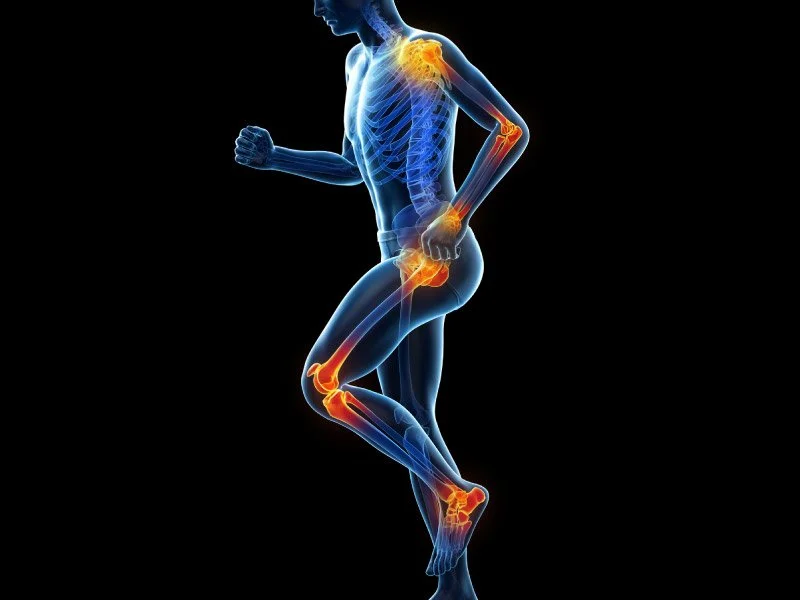
If you’re in your late 30s, 40s, or early 50s and suddenly feeling more inflamed, puffy, exhausted, or sensitive to foods and stress than ever before, you’re not imagining it.
Perimenopause is a time of profound hormonal transition and inflammation often becomes the missing link behind many of the symptoms women experience during this phase of life.
Let’s break down how inflammation and perimenopause interact, why your body feels so different, and what actually helps.
First, What Is Perimenopause?
Perimenopause is the transition period leading up to menopause, often beginning 5–10 years before your final menstrual cycle. During this time, estrogen and progesterone don’t decline smoothly, they fluctuate, sometimes dramatically.
These hormonal shifts affect nearly every system in the body, including:
The nervous system
Gut and immune function
Blood sugar regulation
Detox pathways
Inflammatory signaling
This is why symptoms can feel unpredictable and frustrating.
What Is Inflammation (and Why It Matters More Now)?
Inflammation is your body’s natural defense response. In the short term, it’s protective. But when inflammation becomes chronic, it starts to interfere with normal hormone signaling, digestion, energy production, and brain function.
During perimenopause, your body becomes more sensitive to inflammatory triggers, meaning things that didn’t bother you before suddenly do. Things like certain foods or other environmental inputs.
How Perimenopause Fuels Inflammation
1. Hormone Fluctuations Increase Inflammatory Signaling
Estrogen plays a role in regulating inflammation. As estrogen levels rise and fall unpredictably, the body may produce more inflammatory cytokines, leading to:
Joint stiffness
Headaches or migraines
Breast tenderness
Fluid retention and puffiness
General “achy” feelings

2. Progesterone Decline Reduces Your Natural Calming Effect
Progesterone has a calming, anti-inflammatory effect on the nervous system.
As progesterone declines:
Stress tolerance drops
Sleep quality worsens
Cortisol rises more easily
Inflammation increases
This is why many women notice anxiety, irritability, or sleep disruption alongside physical inflammation.
3. Blood Sugar Becomes Less Stable
Perimenopause often brings increased insulin resistance. Blood sugar swings are highly inflammatory and can trigger:
Fatigue and crashes
Sugar cravings
Mood swings
Abdominal weight gain
Increased systemic inflammation

4. Gut Function Changes
Hormones directly influence gut motility, digestion, and the microbiome.
In perimenopause, this can lead to:
Bloating and gas
Food sensitivities
Constipation or irregular stools
Increased intestinal permeability (“leaky gut”)
A compromised gut allows inflammatory compounds to circulate more easily in the body.
5. Detox Pathways Slow Down
Estrogen is processed through the liver and gut.
When detox pathways are sluggish:
Estrogen metabolites recirculate
Inflammatory burden increases
Symptoms like breast tenderness, headaches, and water retention worsen

Signs Inflammation May Be Driving Your Perimenopause Symptoms
Facial or body puffiness
Bloating after meals
Joint or muscle stiffness
Brain fog or difficulty concentrating
Poor sleep or early morning waking
Increased reactivity to foods, stress, or exercise
Weight gain that feels resistant to “doing everything right”
Why “Pushing Harder” Often Backfires
This is usually the moment where women start blaming themselves.
They think, “Maybe I’m not disciplined enough.”
So they work out harder. Eat less. Add more supplements. Cut out more foods. Push through exhaustion.
And instead of feeling better, they feel worse.
More inflamed. More anxious. More depleted.
The truth is, during perimenopause, your body is far less tolerant of stress, even the “healthy” kind. What once worked can suddenly feel like it’s backfiring, because your nervous system is already running on empty. When stress piles on, inflammation follows.
This phase of life doesn’t respond well to force. It responds to support, safety, and stabilization.

What Actually Helps Calm Inflammation During Perimenopause?
One of the most overlooked pieces of healing in perimenopause is the nervous system.
When stress becomes chronic, cortisol stays elevated, sleep suffers, digestion slows, blood sugar becomes less stable, and inflammatory signals increase. That’s why symptoms often feel so interconnected - because they are!
Supporting your nervous system doesn’t mean meditating for an hour a day or completely changing your life. It looks like creating realistic routines, slowing down where possible, improving sleep, breathing more deeply, and giving your body clear signals that it’s safe to rest and repair.
As stress comes down, inflammation often follows.
Another big piece is blood sugar stability.
During perimenopause, your body is more sensitive to blood sugar swings, and those swings are incredibly inflammatory. Skipping meals, under-eating, or relying on quick carbs can leave you feeling wired, tired, moody, and inflamed, sometimes all in the same day.
Eating balanced meals with enough protein, healthy fats, and fiber helps stabilize energy, reduce cravings, support hormone balance, and take pressure off the stress response.
This alone can be a game changer for many women.
There are often hidden inflammatory triggers quietly contributing to symptoms.
Food sensitivities, environmental toxins, poor sleep, over-supplementation, and chronic under-eating all add stress to the system. Individually they might seem small, but together they can keep the body stuck in an inflamed state.
Identifying and addressing these root contributors is often the turning point where women start to feel real relief.
Final Words
Perimenopause isn’t your body failing you.
It’s your body needing different support.
When inflammation is addressed through nutrition, nervous system support, digestion, movement, and realistic lifestyle changes, symptoms often ease, sometimes dramatically.
This phase of life can become a time of deeper self-awareness, steadier energy, and renewed confidence in your body, rather than constant frustration and self-blame.
You don’t need to push harder.
You need the right kind of support.
Ready for Support?
If you’re experiencing inflammation, fatigue, digestive issues, or perimenopause symptoms and want a personalized approach, our 1:1 nutrition packages are designed to help you restore balance and feel like yourself again.
👉 Learn more about working with us here