Hot Flashes and Night Sweats: What Actually Helps?
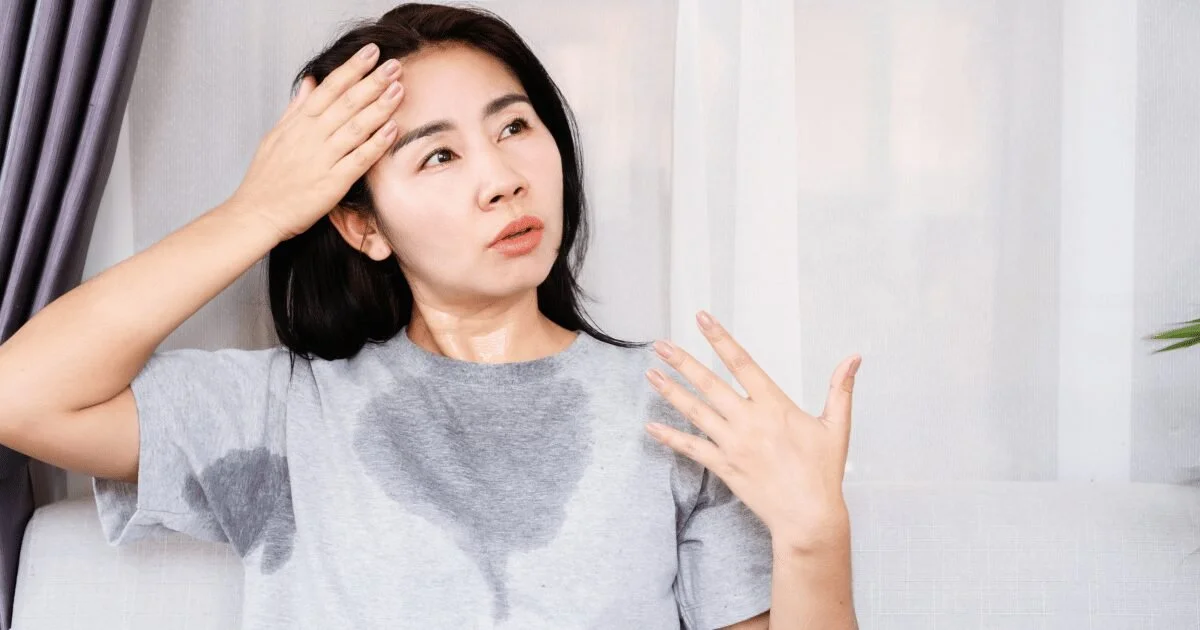
Hot flashes and night sweats are two of the most common and disruptive symptoms experienced during perimenopause and menopause. While they often get talked about separately, they’re actually closely connected. Understanding how they’re related, what causes them, and the benefits and risks of treatment options can help women make informed choices about managing symptoms.
What Are Hot Flashes?
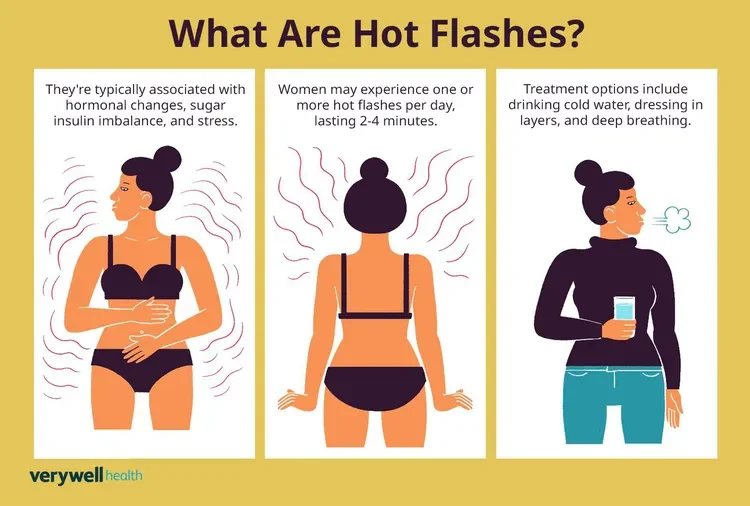
Hot flashes are sudden waves of heat that typically affect the face, neck, and chest. They may be accompanied by:
Flushing or redness
Rapid heartbeat
Sweating
Anxiety or a sense of pressure
Chills afterward
They can last anywhere from 30 seconds to several minutes and may occur multiple times a day.
What Are Night Sweats?
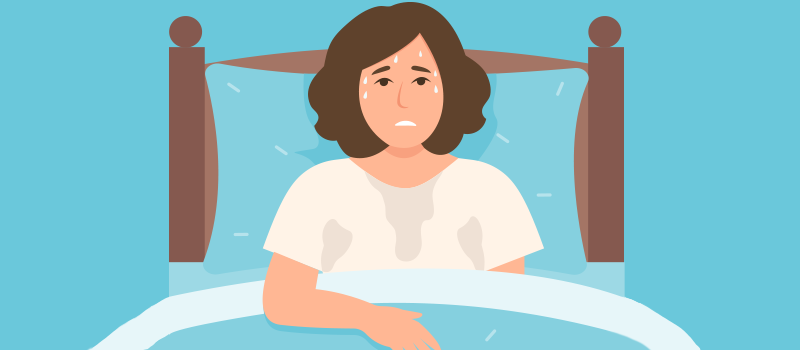
Night sweats are essentially hot flashes that occur during sleep. They often cause:
Excessive sweating that soaks sheets or clothing
Frequent nighttime awakenings
Difficulty falling back asleep
Fatigue and irritability the next day
Because they disrupt sleep, night sweats can significantly impact mood, concentration, and overall quality of life.
Why Do Hot Flashes and Night Sweats Happen?
Both symptoms are known as vasomotor symptoms and are primarily driven by hormonal changes, especially fluctuating or declining estrogen levels.
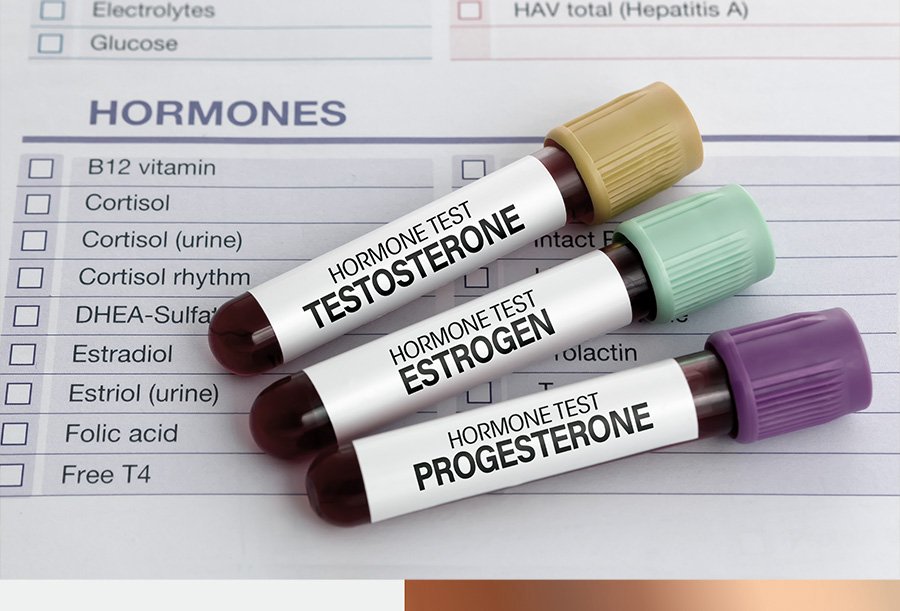
Estrogen helps regulate the body’s temperature control system in the brain (the hypothalamus). When estrogen levels change, the brain can become overly sensitive to small temperature shifts, triggering a heat response even when the body doesn’t actually need cooling.
Common Triggers
Common triggers include:
Stress or anxiety
Alcohol
Caffeine
Spicy foods
Warm environments
Smoking
Poor sleep
Identifying personal triggers can sometimes reduce symptom frequency or intensity.
Treatment Options: Benefits and Risks
Hormone Therapy (HT)
Hormone therapy is considered the most effective treatment for hot flashes and night sweats.
Potential benefits:
Significant reduction in frequency and severity
Improved sleep quality
Possible mood and quality-of-life improvements
Potential risks and side effects:
Increased risk of blood clots
Stroke risk (varies by age, dose, and formulation)
Breast cancer risk with long-term combined estrogen–progestin therapy
Breast tenderness, bloating, nausea, headaches
Hormone therapy is not appropriate for everyone, especially those with a history of certain cancers, blood clots, or cardiovascular disease, including strokes.
Non-Hormonal Prescription Medications
Common options include:
Certain antidepressants (SSRIs/SNRIs)
Gabapentin
Clonidine
Possible side effects:
Nausea
Dizziness
Fatigue or drowsiness
Dry mouth
Changes in mood or blood pressure
While often effective, these medications are not specifically designed for menopause and may require careful dose adjustments.

Root-Cause Lifestyle Framework
1. Blood Sugar Regulation (Non-Negotiable)
Blood sugar instability is one of the most overlooked drivers of hot flashes and night sweats.
When glucose drops overnight, cortisol and adrenaline rise → internal heat, sweating, and nighttime waking.
Supportive strategies:
Eat balanced meals with protein, fat, and fiber
Avoid skipping meals
Include a protein-rich evening snack if night sweats are present
Reduce refined carbs and sugar, especially late in the day
This alone can dramatically reduce night sweats for some people.
2. Nervous System Load & Stress Physiology
Hot flashes are not just hormonal, they are neuroendocrine events.
Chronic stress narrows the brain’s temperature “comfort zone,” making the body overreact to minor shifts.
Root-cause support includes:
Daily nervous system regulation (breathwork, walking, somatic practices)
Reducing mental multitasking and over-stimulation
Creating predictability in sleep and meals
Addressing unresolved stress or burnout patterns
This reframes stress management as physiology, not willpower.
3. Liver & Detoxification Pathways
Estrogen metabolism matters just as much as estrogen levels.
If estrogen isn’t being metabolized and cleared efficiently, symptoms can intensify, even when labs look “normal.”
Lifestyle support:
Adequate protein intake
Daily bowel movements (hugely important!)
Cruciferous vegetables, bitter foods, and hydration
Reducing alcohol, which directly worsens vasomotor symptoms
Food truly is information.
4. Micronutrient Status
Certain nutrient deficiencies can amplify symptoms:
Magnesium (nervous system & sleep)
B vitamins (stress response & estrogen metabolism)
Zinc and selenium (thyroid and immune balance)
This is where supplements can be strategic tools, not just blanket recommendations.
5. Inflammation & Gut Health
Chronic inflammation can worsen hypothalamic sensitivity and hormonal signaling.
Supportive foundations:
Anti-inflammatory, whole-food nutrition
Gut supportive foods
Reducing ultra-processed foods (yes, this really matters!)
Addressing food sensitivities when present
6. Sleep Environment & Circadian Rhythm
Night sweats aren’t just hormonal, they can be rhythmic.
Support includes:
Consistent sleep and wake times
Morning daylight exposure
Cooler sleeping environment
Limiting evening alcohol and screens
Supporting melatonin naturally through routine, not pills
Supplements are supportive, individualized tools, not substitutes for foundational work.
Supplements work best when matched to a person’s biochemistry
Quality, dosing, and timing matter
More is not better
This is why personalization is essential
If you’re doing “all the right things” and still struggling with hot flashes or night sweats, it may be because your body needs a more personalized, root-cause approach.
This is exactly the kind of work I do with clients: looking at hormones, stress physiology, blood sugar, gut health, and lifestyle together to create a plan that actually fits your body.
If hot flashes or night sweats are disrupting your life and you’re ready to understand why they’re happening, not just how to mask them, I’d love to support you with a personalized, root-cause approach.