Why Hair Can Start Thinning in Your 30s and 40s (And What Can Help)
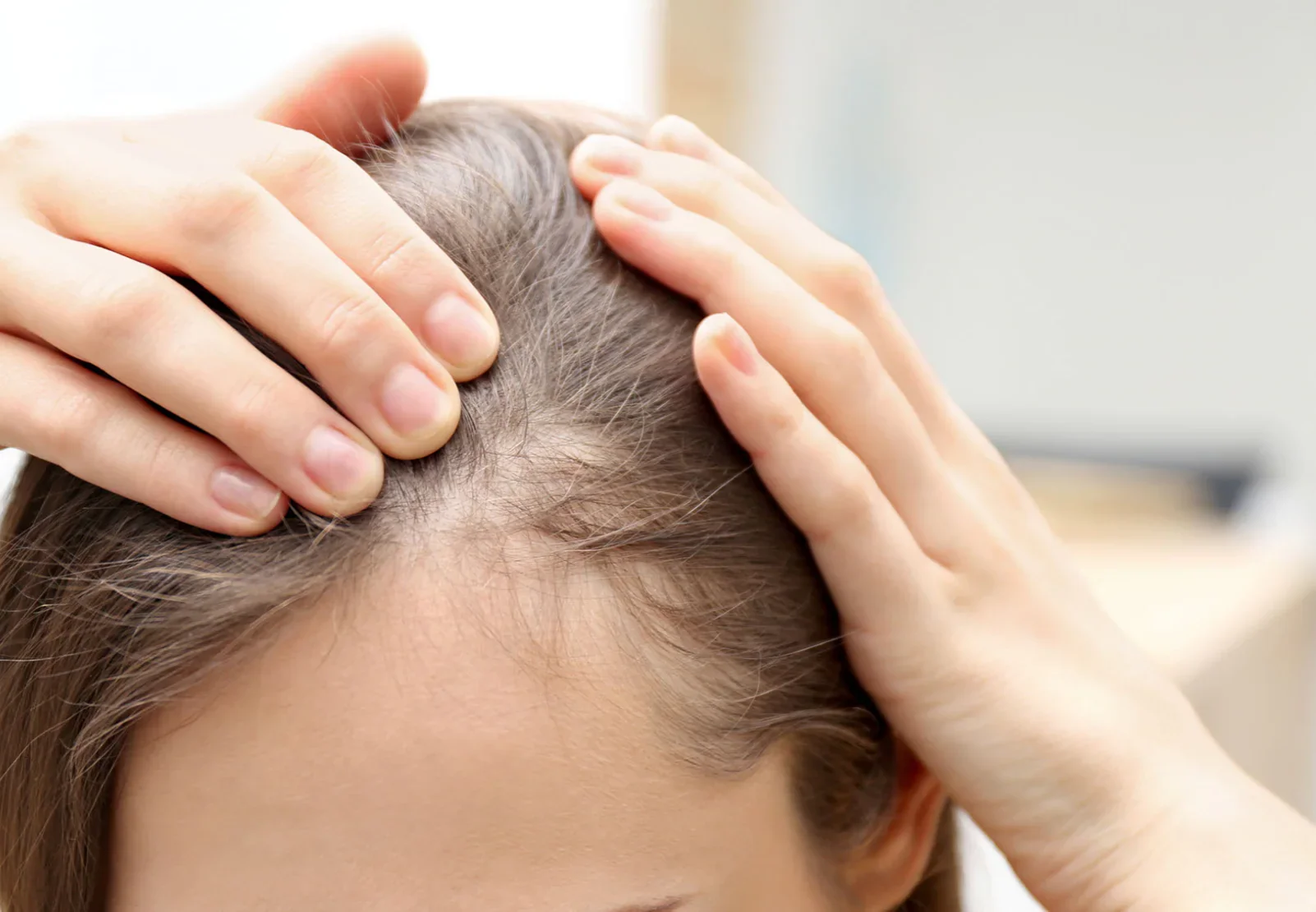
Hair thinning is one of the quieter, more unsettling changes many women notice in their 30s and 40s. It often happens gradually — a wider part, more hair in the shower, less fullness at the temples — and it can feel confusing, especially when nothing obvious has changed.
The good news: this type of hair thinning is very common, and in many cases, modifiable.
What’s actually going on?
Hair growth is deeply influenced by hormones, metabolism, and stress. During perimenopause, several shifts can affect the hair growth cycle at the same time.
1. Hormone fluctuations
As progesterone begins to decline and estrogen becomes more unpredictable, hair can spend less time in the growth phase and more time in the shedding phase. Estrogen is generally protective for hair, so when its pattern becomes erratic, shedding can increase.
2. Stress and cortisol
Progesterone normally helps buffer the stress response. As it declines, the body can become more sensitive to stress, even the kind you’ve always managed well. Elevated cortisol can signal the body to conserve resources, and hair growth is often one of the first things deprioritized.
3. Blood sugar and nutrient availability
In perimenopause, the body can become less tolerant of under-eating or irregular meals. When blood sugar is unstable or overall intake is too low, the body may not allocate enough energy or nutrients to hair growth, even if labs look “normal.”
Hair thinning here is rarely about a single deficiency. It’s usually about overall physiological strain.
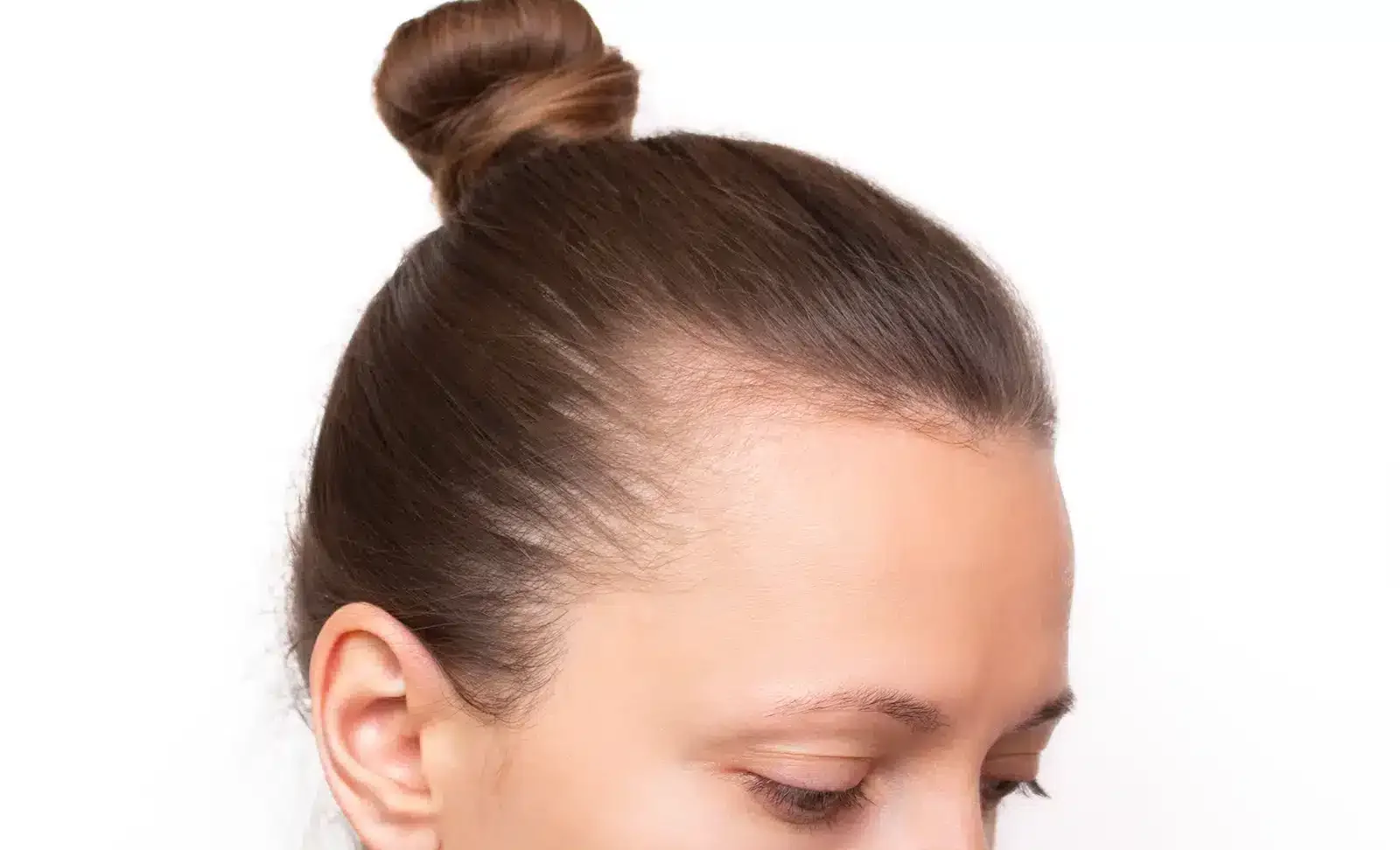
Remedies that can help:
These aren’t quick fixes, they’re supportive shifts that create better conditions for hair to grow.
1. Eat enough, especially protein
Hair is not essential to survival, so it suffers when intake is too low.
Aim for adequate daily protein, spread across meals
Avoid long stretches without eating
Be cautious with restrictive dieting, fasting, or chronic calorie cutting
Many women notice improved hair shedding simply by fueling more consistently.
2. Reduce hidden stress on the body
This includes more than emotional stress.
Helpful areas to look at:
Overtraining or excessive cardio
Poor sleep or irregular sleep schedules
Overstimulation (constant caffeine, screens, rushing)
Gentler movement, better recovery, and more regular rest signal safety to the body — and safety supports hair growth.
3. Support hormones through steadiness, not extremes
Hair responds best to consistency.
Regular meals
Balanced blood sugar
Simple, nourishing foods
Fewer “on/off” cycles with diet and exercise
When the body feels steady, it’s more willing to invest in long-term processes like hair growth.

Getting more hair growth is possible!
Hair thinning during perimenopause is not a sign that your body is failing. It’s often a sign that it’s adapting to change and asking for a different kind of support.
With patience and gentle care, many women see shedding slow and fullness return over time.
Your body is not working against you.
It’s responding to the season it’s in.